A missed call at a dental front desk isn’t just silence; it is a lost patient and immediate revenue leakage. With administrative staff often overwhelmed by in-person check-ins, insurance verification, and sterilization protocols, the phone is frequently the first task to be dropped. Statistics indicate that dental practices lose thousands in monthly revenue solely due to unanswered calls after hours or during lunch breaks.
An AI receptionist for dental offices solves this operational bottleneck by answering every call instantly, regardless of the time or concurrent call volume. By leveraging advanced voice AI and natural language processing (NLP), these systems manage patient inquiries, execute automated patient scheduling, and integrate directly with practice management software. This guide details the specific mechanics of how this technology functions to improve dental office management and lead conversion.
What Is AI Receptionist for Dental Offices?
An AI receptionist for dental offices is a sophisticated voice automation solution designed to replace or augment traditional front desk operations. Unlike basic interactive voice response (IVR) systems that require callers to press buttons, this technology uses large language models (LLMs) to understand spoken language, context, and user intent.
It functions as a 24/7 digital employee capable of handling patient communication automation, from booking hygiene appointments to answering questions about Invisalign pricing. The system operates with human-like latency, ensuring that the caller feels heard and understood. By managing tasks like medical appointment booking and lead qualification autonomously, it drastically reduces operational overhead and allows human staff to focus on high-value clinical tasks.
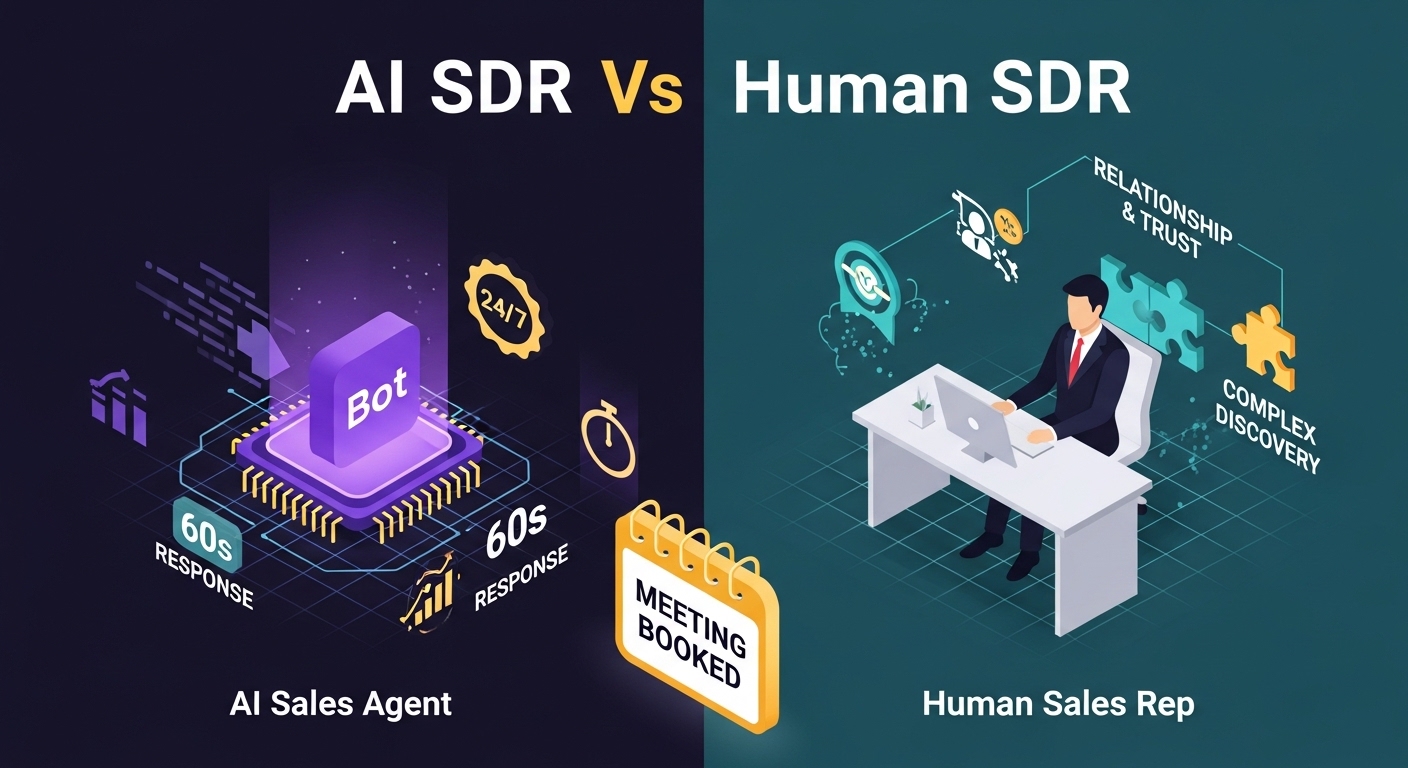
Comparison: Traditional vs. AI Solutions
| Feature | Traditional Receptionist | AI Receptionist for Dental Offices |
|---|---|---|
| Availability | 40 hours/week (Business hours only) | 24/7/365 (Includes holidays & weekends) |
| Response Time | 15–60 seconds (or voicemail) | Instant (< 2 seconds) |
| Concurrency | 1 call at a time (busy signals) | Unlimited simultaneous calls |
| Booking Speed | 3–5 minutes per appointment | 30–60 seconds |
| Data Accuracy | 85–90% (Human error risk) | 99.9% (Direct CRM/EHR integration) |
| Cost Efficiency | High salary + benefits | Fraction of the cost (High ROI) |
How AI Receptionist for Dental Offices Works Effectively?
Understanding the technical workflow of an AI receptionist reveals why it outperforms manual processes. The system does not just “record” calls; it actively processes information, makes decisions based on practice rules, and executes tasks within the dental practice software. Here is the step-by-step operational breakdown.
1. Instant Call Detection and Neural Voice Response
When a patient dials the clinic, the system engages immediately. Unlike human staff who may be juggling three other tasks, the AI picks up within the first ring. It utilizes neural text-to-speech technology to generate a voice that sounds indistinguishable from a human. This sets a professional tone immediately, reducing the “robotic” friction often associated with older phone systems. The greeting is customizable, allowing the practice to maintain its specific branding while ensuring instant lead response.
2. Natural Language Processing (NLP) for Intent Recognition
As the patient speaks, the core engine uses natural language processing (NLP) to parse the audio. It deconstructs the sentence urgent cases are prioritized over general inquiries.
3. Bi-Directional Calendar Sync and Availability Checks
Once the intent is established (e.g., booking a cleaning), the AI accesses the practice’s calendar in real-time. Through features like bi-directional calendar sync, the system reads current availability and writes new data simultaneously. It understands complex scheduling blocks, such as ensuring a hygienist and a dentist are both available for a new patient exam. This prevents double-booking and ensures the schedule remains optimized without human intervention.
4. Intelligent Call Routing and Triage
Not every call results in a booking. Some inquiries require clinical judgment. The system utilizes intelligent call routing to determine if a call should be handled autonomously or transferred. If a patient asks complex post-op clinical questions, the AI recognizes it cannot legally or medically answer and routes the call directly to a dental assistant or the doctor. This hybrid approach ensures safety while maintaining efficiency for administrative tasks.
5. AI-Driven Patient Intake and Verification
For new patients, the AI acts as an intake coordinator. It collects essential details—name, date of birth, and insurance provider—conversationaly. This data is cross-referenced with the database to verify if the caller is an existing patient or a new lead. Implementing an AI phone assistant allows practices to capture this data accurately without the receptionist having to type while holding the phone, significantly reducing data entry errors in the patient record.
6. Sentiment Analysis for Empathy and Urgency
Patients calling a dentist are often in pain or anxious. The AI employs sentiment analysis to detect the emotional tone of the speaker. If the system detects frustration or distress, it adjusts its response style to be more empathetic and concise. This capability is crucial for maintaining a high level of customer experience (CX). By recognizing high-stress markers, the system can prioritize these calls or flag them for immediate human follow-up.
7. Handling Rescheduling and Cancellations
Managing schedule changes is often more time-consuming than initial bookings. When a patient requests to move an appointment, the AI verifies the existing slot, cancels it, and immediately offers alternatives based on real-time inventory. This automated negotiation keeps the chair full. Practices that use an AI appointment booking system see a drastic reduction in the administrative burden associated with shuffling appointments during the morning rush.
8. Integration with CRM and Dental Software
The power of the system lies in its connectivity. It integrates with major platforms (Salesforce, HubSpot, or industry-specific tools like Dentrix or Eaglesoft via APIs). Every interaction is logged, including call transcripts and booking details. To understand how this connectivity works, you can review our app integration capabilities. This ensures that when the patient arrives, the front desk team has a complete history of the interaction, fostering a smooth operational flow.
9. Automated Appointment Reminders and Confirmation
To combat the industry average no-show rate of 10-15%, the system triggers automated workflows. Once an appointment is booked, it sends immediate confirmation via SMS or email. Furthermore, it manages recall campaigns by calling patients who are overdue for hygiene appointments. This proactive outreach is a key driver of revenue. You can read more about how this impacts the bottom line in our article on ai receptionist benefits.
10. Managing Lead Qualification
Marketing efforts often generate leads that are not ready to book immediately or are price shopping. The AI qualifies these leads by asking pre-set questions regarding budget, insurance, or specific treatment needs (e.g., implants vs. dentures). By filtering inquiries before they reach clinical staff, the system ensures that high- Dental emergencies do not adhere to a 9-to-5 schedule. An online phone answering service ensures that a patient calling at 2 AM with a toothache receives immediate assistance. The AI can book them into an emergency slot for the next morning or provide instructions on what to do until the office opens. This 24/7 availability captures revenue that would otherwise go to the nearest emergency room or a competitor.
12. Data Privacy and Compliance
In the dental field, adherence to HIPAA and GDPR is non-negotiable. The AI architecture is built with strict data privacy protocols. All voice data is encrypted, and PII (Personally Identifiable Information) is handled securely. Unlike remote human virtual assistants who might be working from non-secure environments, a virtual receptionist service powered by AI operates within a controlled digital environment, reducing liability risks for the practice.
What Industries Benefited By AI Receptionist?
While dental practices see massive gains from workflow automation, the underlying technology drives growth across various high-touch sectors.
- Legal: Law firms lose clients if they do not answer immediately. Legal services & law firms utilize AI to screen potential clients and schedule consultations without billable hours being wasted on administrative intake.
- Healthcare & Medical: Beyond dentistry, private healthcare clinics use these systems for triage and managing high volumes of appointment reminders, significantly improving patient adherence to treatment plans.
- Aesthetics: High-ticket service providers like med spas & aesthetic clinics rely on instant engagement to capture leads from social media ads, ensuring ROI on marketing spend.
- Home Services: Plumbers and electricians face emergency calls where speed is the only differentiator. Home services companies use AI to dispatch requests instantly, securing jobs before competitors can pick up the phone.
Which Dental AI Receptionist Provider Should You Choose?
Selecting the right provider is critical. A generic AI tool often fails to understand the nuances of dental terminology or the specific logic required for scheduling varied procedures (e.g., a crown prep takes longer than a consult). You need a solution that prioritizes low latency, high data security, and specialized integration.
The DBT AI is engineered specifically for high-performance appointment setting and reception. We focus on converting conversations into calendar bookings with 99.9% accuracy.
- Latency: Our voice AI responds in milliseconds, maintaining the flow of conversation.
- Integration: We offer robust connections to your existing tech stack.
- Customization: Our logic adapts to your clinic’s specific rules regarding insurance and scheduling blocks.
To see how this technology fits your specific operational needs, you can let us demonstrate The DBT Ai for your practice.
Conclusion
The shift toward dentist office workflow automation is not just about cutting costs; it is about recapturing the revenue lost to inefficiency. By implementing an AI receptionist for dental offices, practices can ensure zero missed calls, higher patient satisfaction, and a full calendar. As future trends move toward predictive scheduling and even deeper clinical
Frequently Asked Questions (FAQS)
Is the AI receptionist HIPAA compliant?
Yes, reputable providers ensure full data privacy compliance. The DBT AI creates a secure environment for patient data, adhering to GDPR and HIPAA standards to protect sensitive health information during AI appointment booking and data processing.
Can the AI handle multiple languages?
Absolutely. Most advanced systems support multilingual interactions. This allows your practice to serve a diverse patient base without hiring specialized staff. To understand more about this capability, read our post on can ai receptionists handle multiple languages effectively.
How does the AI know how long to schedule for different procedures?
The system is trained on your specific practice management rules. You define the time blocks (e.g., 60 minutes for a new patient exam, 30 minutes for hygiene), and the AI applies this logic rigidly during the booking process, preventing scheduling conflicts.
Will patients know they are talking to a robot?
Modern neural text-to-speech technology is incredibly advanced. While the system identifies itself as an automated assistant for transparency, the conversational flow, tone, and latency are designed to feel natural. You can listen to examples of the most reliable ai voice for virtual receptionist duties to hear the difference.
What happens if the AI cannot answer a question?
If a query falls outside the AI’s training—such as a specific medical advice question—the system utilizes intelligent call routing to transfer the call to a human staff member or take a detailed message, ensuring the patient is never left at a dead end.